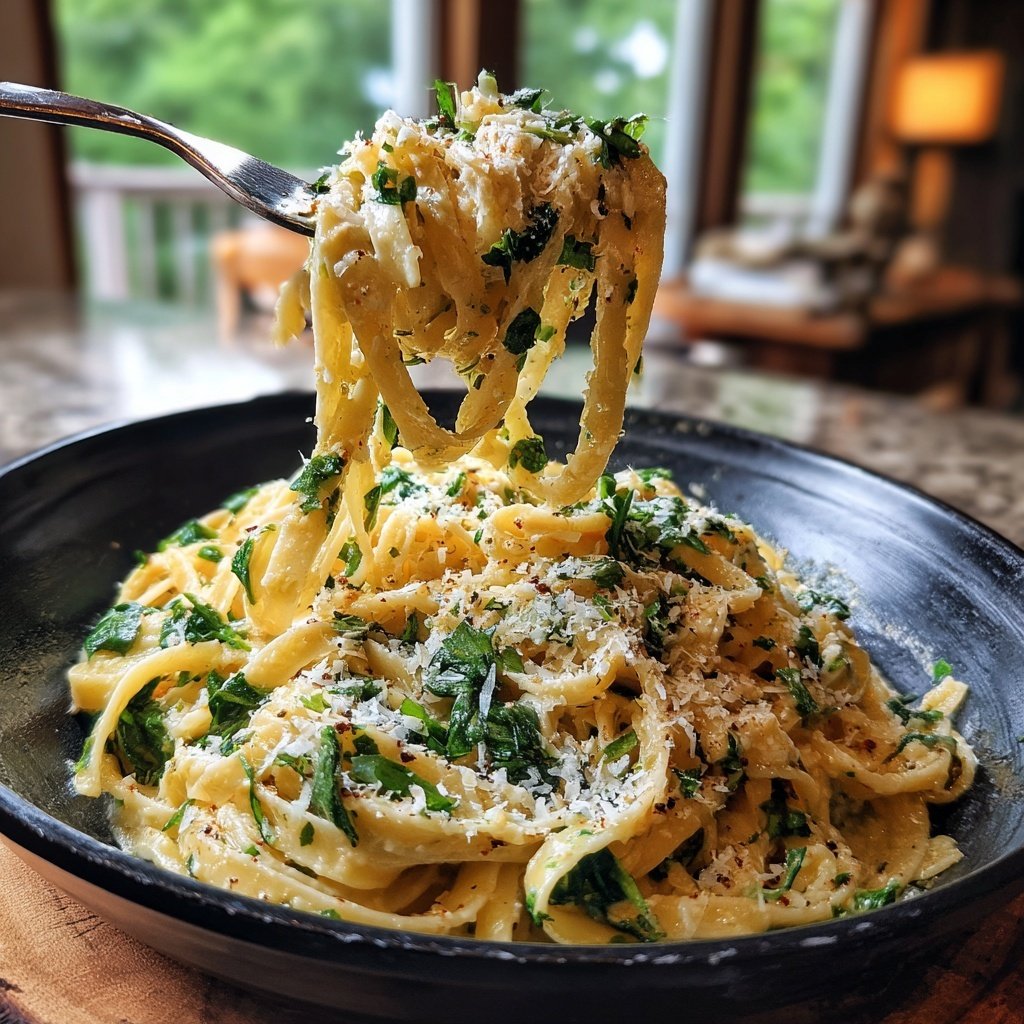
Lemon Fettuccine with Spinach
Lemon Fettuccine with Spinach
Understanding the Ingredients
The star of Lemon Fettuccine with Spinach is undoubtedly the fresh fettuccine. It cooks faster than dried pasta, usually taking just 2-4 minutes until it's al dente. Fresh pasta absorbs the flavors of the sauce beautifully, creating a harmonious dish. If fresh isn’t available, dry fettuccine can be used, but remember to follow the package directions for cooking times to ensure it's perfectly tender without becoming mushy.
Another crucial component is the lemon zest, which adds a bright and zesty flavor that complements the spinach and pasta remarkably well. Using a microplane grater will give you the finest zest and help release more oils, enhancing the overall taste. If you're in a pinch, lime zest can provide a similar flavor profile, offering a nice twist to the dish.
Spinach not only adds nutritional value but also brings a beautiful pop of color to the plate. Fresh spinach wilts significantly when cooked, so ensure you use about double the amount you think you need. If you're short on fresh spinach, frozen spinach can be a great alternative—just be sure to thaw and drain it well before adding it to the pan to avoid excess moisture.
Cooking Techniques for Perfect Texture
When making the sauce, it's essential to sauté the garlic in olive oil over medium heat just until fragrant, about 30 seconds. This helps to release its oils and flavors without burning it, which can turn bitter. Keeping a close eye on the garlic is vital; once it turns golden, add the spinach to prevent any bitter flavors from developing. A non-stick skillet works best for this step to ensure nothing sticks and burns.
To combine the pasta and sauce seamlessly, reserve some pasta water before draining. This starchy water can be added to the sauce to create a silky texture, helping the sauce cling beautifully to the fettuccine. Start with a couple of tablespoons and add more as needed. The key is to achieve a glossy finish that coats the pasta without making it soupy.
Tossing the pasta in the sauce directly in the skillet helps to distribute the flavors evenly, enhancing the overall experience. Remember to do this off the heat to prevent the pasta from overcooking. If you notice the pasta is sticking together, a splash of the reserved pasta water can loosen it right up, ensuring every strand is coated and flavorful.
Serving and Storing Tips
Serving this dish immediately ensures you enjoy the freshness of the ingredients and the vibrant flavors at their peak. Garnish with freshly grated Parmesan and a sprinkle of additional lemon zest right before serving to elevate the dish even more. For an added protein boost, consider topping it with grilled chicken or sautéed shrimp, which can be prepared while the pasta cooks to keep dinner quick and simple.
If you have leftovers, store them in an airtight container in the refrigerator for up to 3 days. Reheating can be tricky; I recommend doing it slowly over low heat with a splash of water or broth to prevent the pasta from drying out. Stir frequently to ensure it heats evenly and watch for rubbery texture, which indicates overcooking.
For meal prep enthusiasts, you can easily make this dish ahead of time. Prepare the sauce (including sautéing the spinach and garlic) and store it separately from the pasta. When ready to serve, cook the fettuccine fresh and combine it with the sauce. This method helps maintain the pasta's texture and ensures your dish tastes like it was just made, even after a day in the fridge.
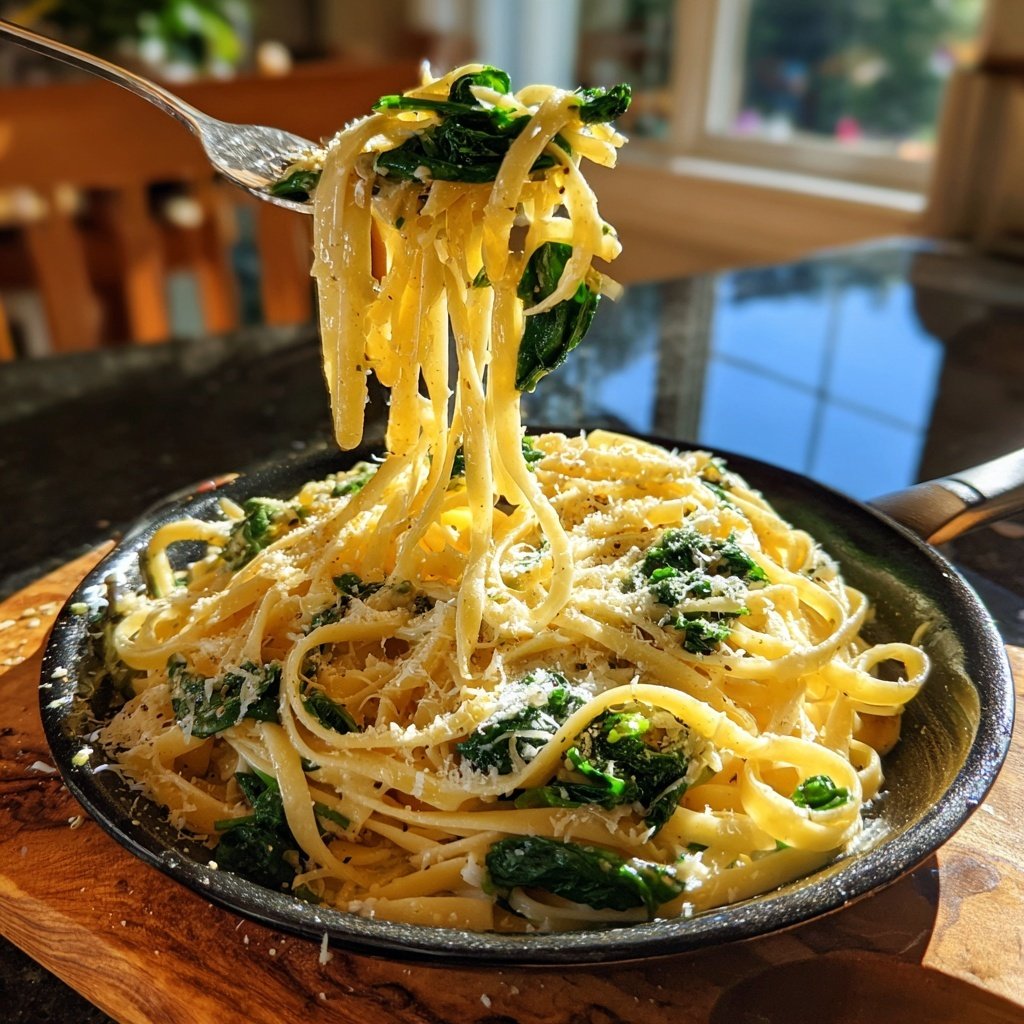
Nutritional Benefits of Key Ingredients
Spinach is a powerhouse of nutrients, rich in vitamins A, C, and K, as well as folate and iron. This makes it an excellent addition to any meal, not just for its taste but also for its health benefits. Incorporating spinach into your diet can contribute to overall well-being, promoting good digestion and healthy skin, while the fiber and antioxidants help reduce inflammation.
Lemons are not only refreshing but also boost the dish with vitamin C, which helps improve iron absorption, especially from spinach. The acidity from the lemon brightens the overall flavor of the meal, making it taste lighter and more vibrant. This balance between acidity and richness is key, particularly in pasta dishes, preventing them from feeling heavy.
Customizing Your Lemon Fettuccine
Variations on this dish allow for creativity based on personal tastes or seasonal ingredients. Consider swapping traditional fettuccine for whole wheat or gluten-free options to cater to dietary needs. Additionally, incorporating seasonal vegetables like asparagus or cherry tomatoes can add a fresh twist to the dish, bringing different textures and flavors to play.
For a creamier version, a splash of heavy cream or a dollop of ricotta can transform the dish into a rich, luxurious meal. Just add it to the skillet after sautéing the garlic and before combining with the pasta. This can create an entirely different experience, making it even more comforting.
Troubleshooting Common Issues
If your fettuccine turns out too sticky, this is often due to not using enough pasta water or overcooking. Make sure to reserve at least a cup of water before draining. Start with adding small amounts back into your sauce and tossing until you reach your desired consistency. It’s always better to start with less and add more as needed to avoid a watery dish.
In cases where the sauce feels too tangy, balancing it with a pinch of sugar can neutralize that acidity from the lemons effectively. Additionally, if the garlic feels overpowering, a touch of cream or additional pasta water can help round out those flavors, ensuring a well-balanced meal that highlights, rather than overpowers, each ingredient.